Data annotation jobs: what the work is, what it pays, and who hires
Data annotation, data labeling and AI training jobs are the same family of remote work. This guide covers the tasks, realistic pay, the platforms that hire and how to start.
Updated October 17, 2026 · figures dated and sourced
Disclosure: we are a referral partner of micro1 and earn nothing from the other platforms. See the affiliate disclosure.
Short answer
Data annotation jobs are remote, usually contract tasks where you label or judge data that trains AI. Entry-level work is available but often pays little, especially outside the US, while experts in law, medicine, finance and engineering can earn $50 to $100 an hour or more. Hours are never guaranteed, and fake offers are common, so apply only through a platform's own site.
What data annotation work involves
| Kind of work | What you do |
|---|---|
| Rating and ranking AI answers | Choosing the better of two model responses, or scoring one against criteria. Often called RLHF-style evaluation. |
| Writing prompts and answers | Writing hard questions for a model, and ideal answers or grading rubrics. |
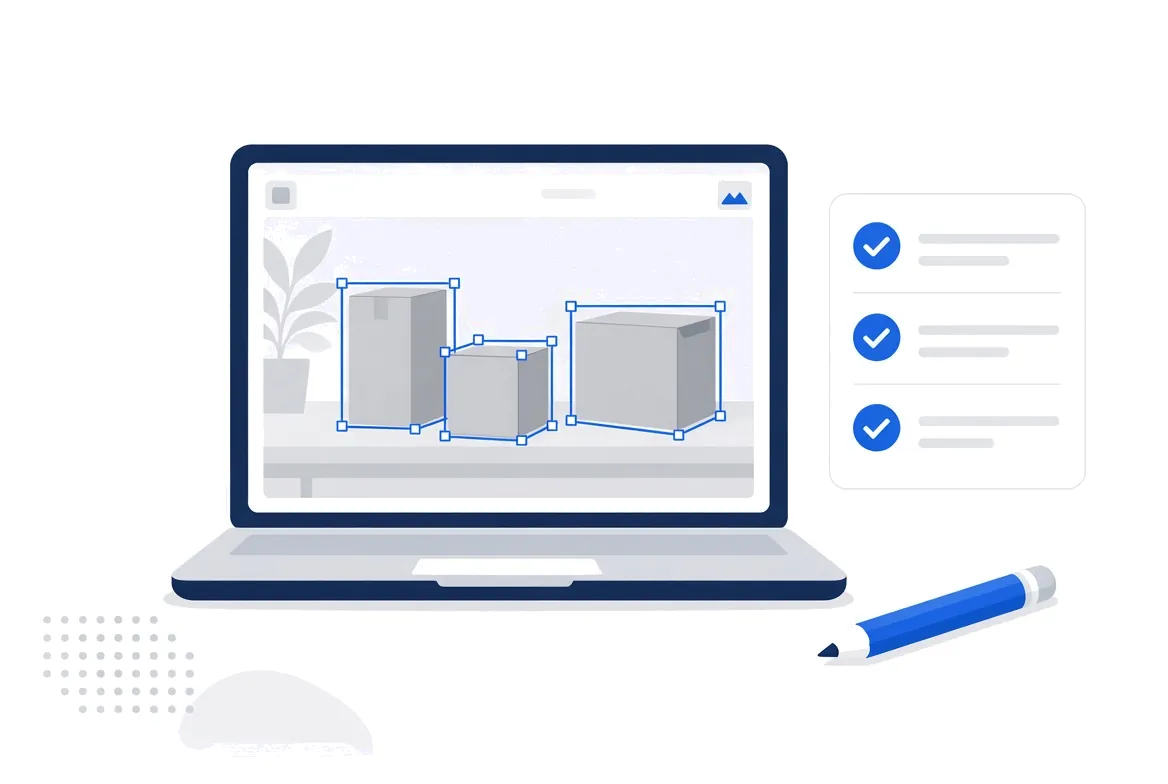
| Labeling images and video | Drawing boxes, tagging objects, classifying scenes. |
| Transcribing and checking audio | Typing what is said, or checking a transcript or translation. |
| Classifying and tagging text | Marking sentiment, topic, relevance or safety issues. |
| Reviewing code and expert content | Checking code, legal, medical or financial output against your field's standards. |
You usually work from written guidelines, and your output is reviewed. Many platforms pay only for accepted work. See what an AI trainer does for the wider job picture.
Who hires
These platforms run annotation and AI training projects. Each links to our review, where the sources and dates are.
- DataAnnotation: task-based work after a one-attempt assessment. See also the assessment guide.
- micro1: expert marketplace with an AI interview. See micro1 jobs.
- Outlier: prompt writing and rating, run by Scale AI.
- Remotasks: image, audio and data labeling, backed by Scale AI.
- Alignerr: expert evaluation, powered by Labelbox.
- Mercor: expert projects. See what Mercor is.
- Appen (CrowdGen): long-running data company with project-based work.
- Handshake AI: US-only program for students and professionals.
- TELUS Digital AI Community: rating, linguistics and annotation.
For a table with pay, payment schedules and locations side by side, see platforms compared and DataAnnotation alternatives.
What it pays
Pay varies enormously. These are published ranges and examples, as of 16 to 17 October 2026, not what you will earn:
| Platform | What it publishes | Note |
|---|---|---|
| micro1 (its own expert guide) | General annotation $15 to $40. Prompt writing and RLHF evaluation $20 to $60. Domain-specific review $50 to $100. Frontier expert projects $100 to $200 or more | Company range, not a promise |
| DataAnnotation | General work "starting at" $25 to $50 or more an hour. Its pages give different figures for some tracks | Company range. Treat the lower figures as realistic |
| Handshake AI | Generalist evaluator up to $17. Experts up to $120 to $125 | Ceilings on role pages |
| TELUS Digital AI Community | A Mexico rater posting listed $9; a German one listed 20.60 euros; a US one about $13 | Per posting, tied to completed tasks |
| Appen (CrowdGen) | Archived Mexico project pages showed about $2 to $2.75. Expert ceilings run $90 to $450 | Per project |
| Remotasks | No rates published | Says harder tasks pay more |
Three things decide what you take home: your credentials, your country, and how many accepted tasks you actually get. A high hourly ceiling with scarce projects can pay less than a modest rate with steady work.
How to start
- Pick the platforms that fit your background. Credentials point to micro1, Mercor, Alignerr or Handshake AI (US). No credentials point to general projects.
- Check your country before you spend time on an assessment.
- Prepare for the screening. Some use a one-time assessment, some an AI interview. Our step-by-step guide walks through it.
- Read the contract and payment terms before you start, and keep a record of your tasks and payments.
- Apply to several. Work on any one platform can stop, so do not depend on a single source.
If micro1 hires you through this link and you meet its conditions, we may be paid a referral fee.
Scams and red flags
- A message on a chat app offering a job you never applied for.
- A request for money, gift cards or bank details before you have done any work. Real platforms say they never ask for it.
- "Appen", "TELUS" or "Handshake" recruiters on Upwork, Telegram, WhatsApp or free email addresses. These companies publish warnings about fake outreach.
- Promises of a fixed high income from day one.
Frequently asked questions
What do you do in a data annotation job?
You label, rate or correct data that AI systems learn from, usually working from written guidelines. Typical tasks are ranking or scoring AI answers, writing prompts and ideal answers, drawing boxes on images, checking transcripts and tagging text. Better-paid roles add expert review of code, legal, medical or financial output. The table above has the six main kinds of work.
What are data annotation jobs?
Remote jobs where you label, rate or correct data that AI systems learn from. The data can be text, images, audio, video or code. The work ranges from simple tagging to expert review in law, medicine, finance or engineering.
Is data annotation legitimate?
The platforms in our reviews are real companies that pay contributors, and all of them have documented problems such as lost access, scarce projects or slow pay. Fake "annotation" job offers also exist. Apply only on a platform's own site and never pay to be hired. See our DataAnnotation review for one platform in detail.
Do data annotations actually pay?
Yes on the platforms we reviewed, which say they pay contributors, with schedules from weekly (Outlier, Mercor, Handshake AI) to twice a month (micro1) to monthly (Appen). DataAnnotation pays through PayPal, with deposits within a few days after you request them. But pay depends on accepted work, hours are never guaranteed, and reviewers of several platforms describe projects that end or withdrawals that did not arrive. Rates run from about $2 to $2.75 an hour on archived Appen Mexico project pages to $100 or more for experts.
Is the data annotation job worth it?
It can be, as flexible extra income, if you accept the risks. No platform we reviewed guarantees hours, projects can pause or end, and pay for general work can be low, especially outside the US. Experts in law, medicine, finance and engineering see much higher listed rates. Treat it as supplemental and apply to more than one platform.
How can I become a data annotator?
Pick a platform that fits your background, check that it accepts your country, pass its screening and read the contract and payment terms before you start. Screening is a one-time assessment on some platforms and an AI interview on others. The steps are in How to start above and in our how to become an AI trainer guide.
Is it hard to pass data annotation assessment?
It can be, and DataAnnotation gives you one attempt with no retakes. It publishes no pass rate or sample questions, and many reviewers describe never hearing back. Our DataAnnotation assessment guide covers the tracks, length and what applicants report.
Do I need experience for data annotation jobs?
Not for all of them. DataAnnotation says some projects need no coding or technical background, and Remotasks says you need a computer and an internet connection. Better-paid roles ask for a degree, a license or professional experience.
How much do data annotation jobs pay?
It depends on the platform, the country and your expertise. Listed ranges run from a few dollars an hour for some general rating work to over $100 an hour for experts. Many pay per accepted task, not per hour.
What is the difference between data labeling and data annotation?
In practice they mean the same thing: adding labels or judgments to data so a model can learn from it. Job boards use both terms, along with "AI training", "rater" and "evaluator".
Can I do data annotation jobs from Mexico?
Yes on several platforms. Outlier and Mercor publish lists that include Mexico, and micro1 does not exclude it. Remotasks lists Mexico on an availability article dated 2022. DataAnnotation does not list countries, and Alignerr says its identity check accepts only US documents. Handshake AI is US only. Pay for general rating work can be much lower in Mexico than in the US.
Related guides
Sources and method
- Platform home, FAQ and role pages as cited on each review, read 16 and 17 October 2026.
- micro1 expert guide to AI training jobs, 17 October 2026.
- Archived Appen CrowdGen Mexico project pages (4 October 2025) and TELUS job postings as copied by aggregators, as described on those reviews.
We re-check these when we update the page. If something here is out of date, tell us.